Borno Defends Reintegration of Repentant Terrorists With Quran Oath
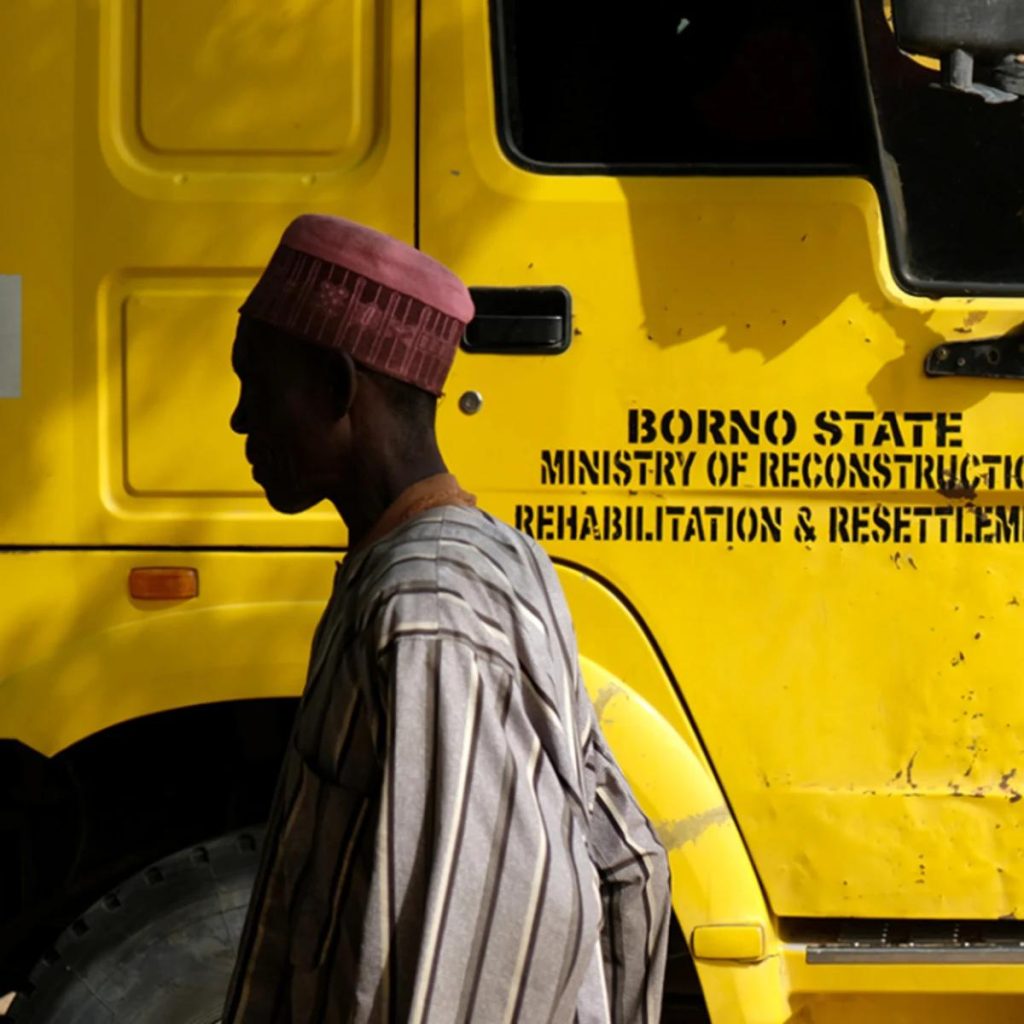
The Borno State Government has defended its rehabilitation and reintegration programme for former terrorists, saying participants are required to swear an oath with the Quran before returning to society.
The state said the oath-taking process is part of efforts to ensure that former fighters do not return to terrorism after completing the deradicalisation programme.
The Commissioner for Women Affairs and Social Development in Borno State, Zuwaira Gambo, made the disclosure during an interview aired on News Central Television on Monday.
Quran oath part of rehabilitation process
According to Gambo, the oath is one of the final stages of the Borno rehabilitation model for repentant terrorists.
She explained that individuals who swear with the Quran understand the serious consequences attached to violating the oath.
“When they come to us through all the processes of the Borno model, the last thing they do is take an oath with the Quran,” she said.
The commissioner added that some members of the public still fear that rehabilitated fighters may return to terrorist groups.
However, she insisted that extremist groups no longer trust individuals who surrender to government authorities.
Funding remains major challenge
Gambo also identified inadequate funding as one of the biggest challenges affecting the programme.
She said the government continues to struggle with providing food, clothing, education, and welfare support for individuals undergoing rehabilitation.
“The challenge has to do with funding because you bring many people on board and you must provide for them,” she explained.
Debate over Operation Safe Corridor continues
The comments come amid public debate surrounding the Federal Government’s Operation Safe Corridor programme.
In April, 744 former terrorists completed the De-radicalisation, Rehabilitation and Reintegration programme.
According to reports, 597 of the beneficiaries were from Borno State, while others came from Adamawa, Yobe, Kano, and several other states.
The development triggered reactions from Nigerians who questioned the transparency of the process and the safety implications for affected communities.
NBA, Amnesty International raise concerns
The President of the Nigerian Bar Association, Afam Osigwe, said the reintegration policy raises concerns about justice for victims of terrorism.
He argued that returning former fighters to communities without addressing the suffering of victims could create fresh tensions.
Meanwhile, the Country Director of Amnesty International in Nigeria, Isa Sanusi, called for greater transparency in the programme.
Sanusi said the government should clearly disclose the level of involvement of individuals being rehabilitated and reintegrated into society.
He warned that there have been concerns about some former terrorists allegedly returning to violent activities after reintegration.
Security concerns remain
The rehabilitation programme remains one of Nigeria’s major strategies in addressing insurgency in the North-East.
While supporters believe reintegration can encourage more defections from extremist groups, critics continue to demand stronger oversight, transparency, and support for victims affected by terrorism.